


























































































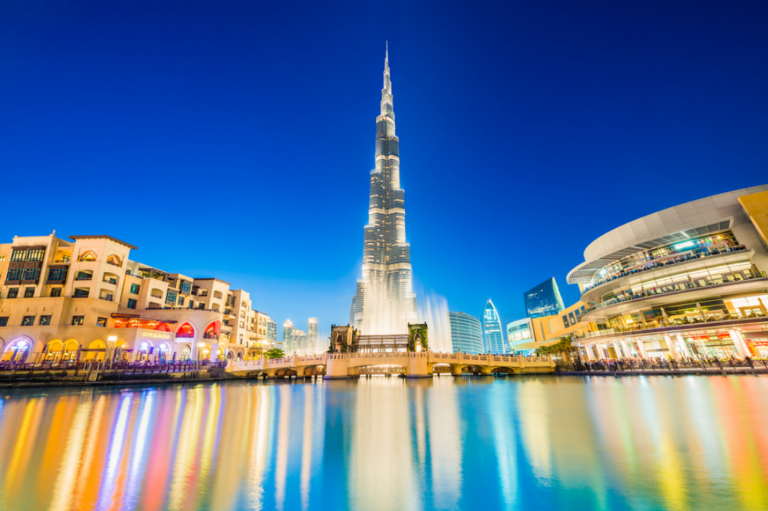

List of facts about the Burj Khalifa, the tallest building in the world 🌍✨
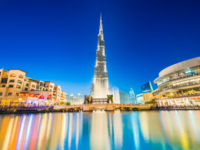
When you think of iconic skyscrapers, there’s one name that immediately stands out — the Burj Khalifa. Rising majestically above the skyline of Dubai, this engineering marvel isn’t just the tallest building in the world; it’s a symbol of the city’s ambition, innovation, and opulence. Whether you’ve seen it in photos, movies, or in person, the Burj Khalifa leaves a lasting impression, making you stop and stare. But what’s the story behind this awe-inspiring structure? Let’s take a closer look at how the Burj Khalifa became the colossal icon it is today.
A Dream of Dubai: The Vision Behind the Burj Khalifa
Before we get into the nuts and bolts of the Burj Khalifa, it’s essential to understand the dream that brought it to life. Dubai, once a quiet fishing village, was rapidly becoming a global hub for business, tourism, and luxury. The city’s leaders, particularly Sheikh Mohammed bin Rashid Al Maktoum, wanted to make a statement that would not only showcase Dubai’s growing wealth and ambition but also position it as a center of architectural innovation. And what better way to do that than by building the tallest structure the world had ever seen?
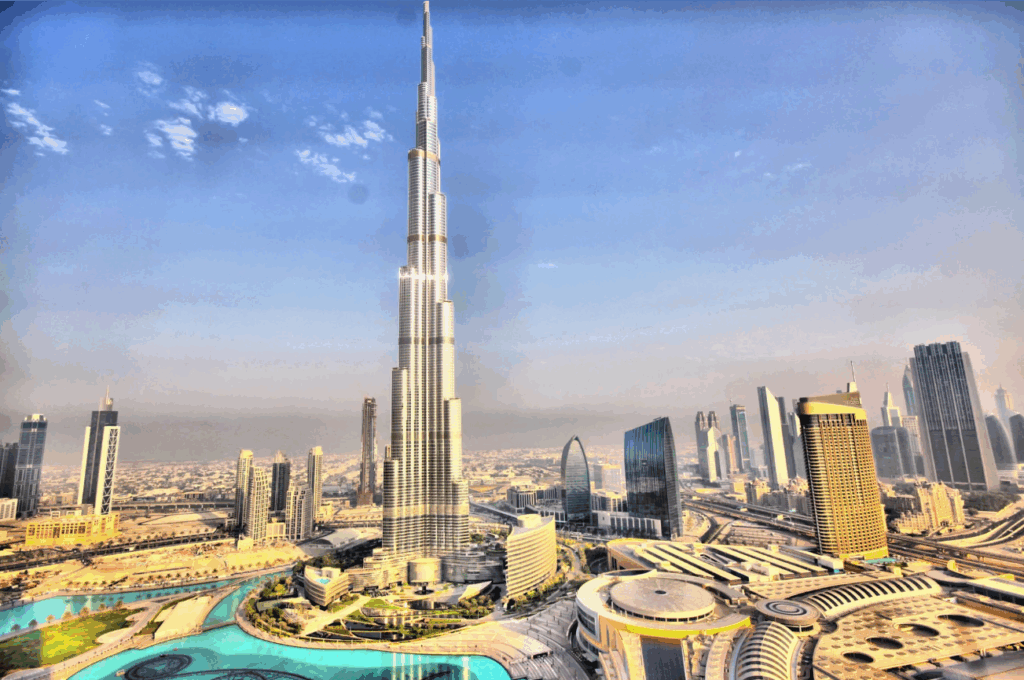
The Burj Khalifa was conceived as part of the Downtown Dubai development project, which aimed to transform the area into a world-class urban hub. The goal was to create a skyline that would compete with the world’s greatest cities and reflect Dubai’s rapidly growing influence. The Burj Khalifa, originally named the Burj Dubai, was the centerpiece of this vision — a towering beacon of modernity that would put Dubai on the global map as a leader in architectural and engineering feats.
The decision to go for the world’s tallest building was a bold move. In fact, the Burj Khalifa was a risky proposition in many ways. But the ambition and the desire to push the limits of what was possible drove the project from the very beginning.
Designing a Giant: The Architecture of the Burj Khalifa
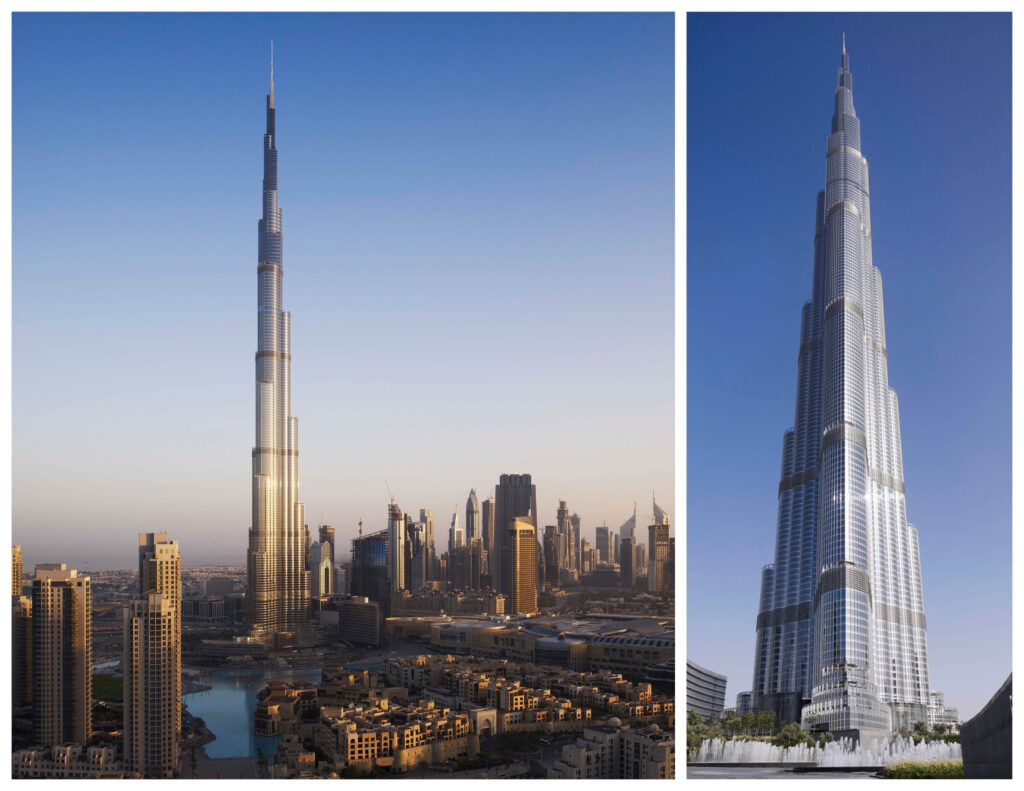
The design of the Burj Khalifa is nothing short of spectacular. The tower, which stands at an incredible 828 meters (2,717 feet) tall, is a true masterpiece of modern architecture. Designed by Adrian Smith, who was working with the architecture firm Skidmore, Owings & Merrill, the building’s design was inspired by traditional Islamic architecture, specifically the Mamluk period of Egypt. The tower’s sleek, tapering form is a reflection of the minaret — a tall, slender tower found in many mosques around the world. This nod to Islamic design adds an element of elegance and timelessness to the Burj Khalifa.
One of the most striking features of the building is its distinctive shape. The Burj Khalifa is composed of a series of setbacks that taper as the tower rises, making it look like it’s almost “stretching” toward the sky. This design isn’t just for show — it serves a functional purpose. The setbacks reduce the wind load on the building, helping it to withstand the harsh desert winds that can blow across Dubai. The tower’s design is also optimized for efficiency, with a unique Y-shaped floor plan that maximizes space while minimizing the amount of material used.
The exterior of the Burj Khalifa is clad in reflective glass, giving it a sleek, shiny appearance that shimmers under the Dubai sun. The glass is not just decorative; it helps reduce energy consumption by minimizing the amount of heat that enters the building. The reflective surface also adds to the tower’s imposing presence, making it visible from miles away and giving it a futuristic, almost otherworldly look.
Building the Impossible: The Construction of the Burj Khalifa
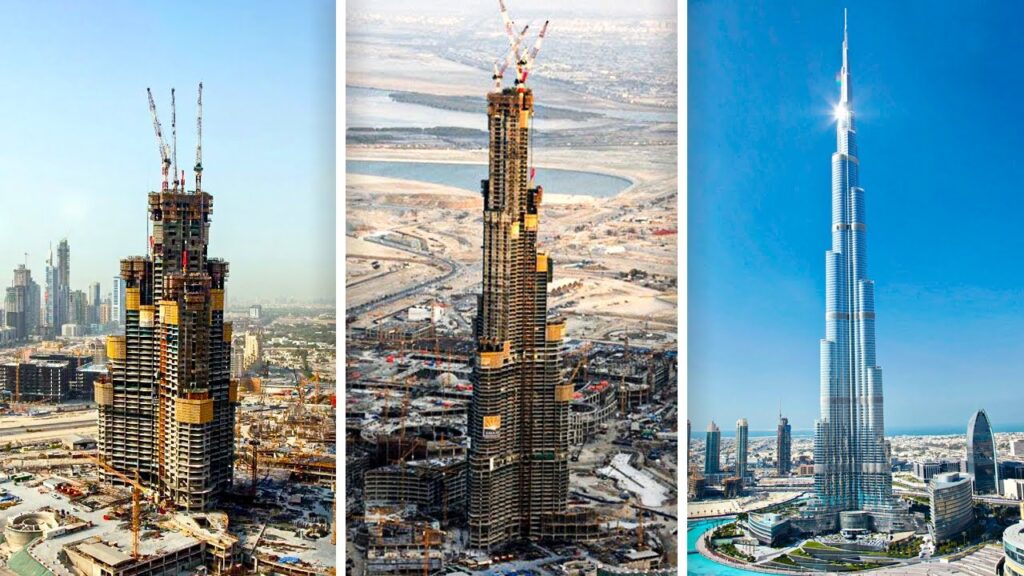
Building the Burj Khalifa wasn’t a simple task. In fact, it took a staggering 5 years to complete, from 2004 to 2009. The project employed thousands of workers and required the collaboration of some of the world’s top engineers, architects, and construction firms. The scale of the project was so immense that it required billions of dollars in funding and resources to make it a reality.
The construction of the Burj Khalifa involved numerous challenges, both logistical and technical. The first obstacle was the foundation. The building sits on a massive concrete mat that’s supported by hundreds of concrete piles driven deep into the ground. The foundation alone weighs over 110,000 tons and is designed to withstand the immense weight of the structure above it.
Once the foundation was in place, the construction team began to build the tower from the ground up. The Burj Khalifa is made up of reinforced concrete and steel, and the sheer amount of material needed was staggering. In total, the tower required more than 103,000 cubic meters of concrete — enough to fill 41 Olympic-sized swimming pools! The concrete was mixed on-site and poured into molds using a technique called slip-forming, which allowed the tower to rise quickly and efficiently.
One of the most impressive feats of engineering involved the construction of the spire at the top of the building. The spire itself is over 200 meters (656 feet) tall and required precise coordination to install. The spire’s installation was a carefully orchestrated process that took months to complete. It’s made up of lightweight materials and is designed to sway slightly in high winds, ensuring the structural integrity of the building.
A Peek Inside: The Amenities and Features of the Burj Khalifa
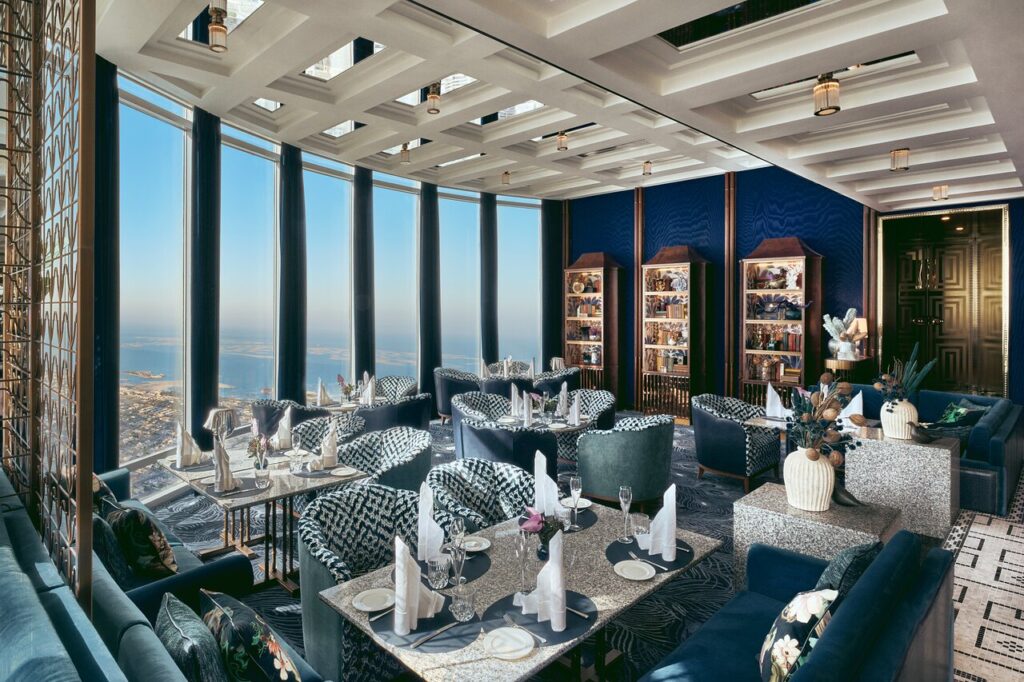
The Burj Khalifa isn’t just about looking impressive from the outside — it’s packed with luxurious amenities and cutting-edge technology on the inside, making it a place where both residents and visitors can experience the ultimate in comfort and convenience.
The building is home to a mix of residential, commercial, and hotel spaces. There are 900 private residences in the Burj Khalifa, ranging from ultra-luxurious apartments to more modest living spaces. These homes are equipped with high-end finishes, expansive windows offering breathtaking views of the city, and every modern convenience imaginable. The residential floors are located in the lower half of the tower, with office spaces taking up the middle portion.
For those seeking even more luxury, the Armani Hotel occupies several floors of the Burj Khalifa. Designed by the iconic Italian fashion house, the hotel’s interiors are sleek, minimalist, and, of course, fabulously luxurious. The hotel offers guests world-class service and the kind of opulent atmosphere you’d expect from one of the most prestigious brands in the world.
The Burj Khalifa is also home to a public observation deck on the 124th floor, offering visitors a chance to take in panoramic views of Dubai. On a clear day, you can see for miles in every direction, with the desert stretching out to one side and the glistening coastline to the other. The experience of looking out from the observation deck is nothing short of breathtaking, and it’s one of the most popular tourist attractions in the city.
The Burj Khalifa: An Engineering Wonder
What makes the Burj Khalifa truly remarkable is not just its height or its aesthetic appeal, but the cutting-edge engineering that went into creating it. The building uses some of the most advanced construction techniques and materials in the world, allowing it to withstand extreme winds, high temperatures, and seismic activity. The tower is also equipped with state-of-the-art systems for air conditioning, water treatment, and lighting, ensuring that it operates as efficiently as possible.
Additionally, the building is designed with sustainability in mind. The Burj Khalifa is equipped with energy-efficient lighting, water conservation systems, and even a high-tech cooling system that uses chilled water to keep the temperature comfortable for residents and visitors. These green technologies help reduce the building’s environmental impact while maintaining the level of luxury and comfort expected from a structure of this magnitude.
The Legacy of the Burj Khalifa
Since its completion, the Burj Khalifa has become more than just a building — it’s a symbol of Dubai’s rise to prominence on the global stage. It represents the city’s drive to innovate, to dream big, and to push the limits of what’s possible. The Burj Khalifa has become a landmark, not just in Dubai, but in the world of architecture and engineering.
It’s hard to overstate just how significant the Burj Khalifa is. It’s not just the tallest building in the world; it’s a testament to human ingenuity, a reflection of Dubai’s bold ambitions, and a source of inspiration for future skyscrapers and architectural projects around the globe.
So, whether you’re standing at its base looking up at its towering heights or gazing out from its observation deck, the Burj Khalifa is a reminder that sometimes, the sky is not the limit — it’s just the beginning.


0 Comments